

Exploring Emotional Depths: A New 3D Short Drama Unveiled

So, there's this new thing out, a 3D short drama, and it's apparently a pretty big deal in virtual storytelling. They're trying to make animated characters feel more real, you know? Like, connect with us on an emotional level. It uses VR to make it all super immersive. It's all about bridging that gap between how we feel and how characters look and act in these digital worlds. It's a whole new frontier, really.
Key Takeaways
- This 3D short drama is a new step in virtual storytelling, aiming to make animated characters more emotionally relatable using VR.
- The study looked at how to map emotions to virtual character movements and expressions, paying attention to dialogue and body language.
- A user study in VR was done to see how realistic and natural the emotional animations felt, comparing different methods.
- Results showed that happy emotions were seen as more real than neutral ones, but subtle emotions are still tricky for current tech.
- While animation diversity was good, enjoyment and interaction quality in these virtual scenarios need more work for future 3D short drama projects.
Unveiling The Emotional 3D Short Drama
We're excited to introduce a new kind of storytelling, one that really pushes the boundaries of what's possible in virtual reality. This isn't just another animated short; it's an exploration into how we can make virtual characters feel more alive, more human, by focusing on their emotional expressions. Think about the last time a movie really got to you – it was probably because you felt something for the characters, right? We're trying to capture that same connection in a digital space.
A New Frontier In Virtual Storytelling
Virtual storytelling has come a long way, but there's still a gap between what we see on screen and what we feel. This project aims to bridge that gap. We're using advanced techniques to create 3D characters that don't just move and speak, but also convey genuine emotions. It's about making virtual interactions feel more natural and engaging. This is a big step towards creating virtual worlds that can truly move us, much like a well-crafted live-action drama.
Bridging The Gap Between Emotion And Animation
Getting animation to express emotion convincingly is tricky. It's not just about a smile or a frown; it's the subtle shifts in expression, the way a character holds themselves, the tiny gestures that reveal their inner state. We've been working on mapping specific emotional states to virtual expressions, trying to make sure that when a character is supposed to be happy, they look and act happy, not just generically pleased. This involves a lot of fine-tuning.
The Significance Of Immersive VR Experiences
Immersive VR experiences offer a unique platform for emotional storytelling. When you're in the virtual world, the impact of a character's emotional display is amplified. We've conducted a user study with 48 participants to see how well our generated animations hold up. The goal was to evaluate realism, naturalness, and overall enjoyment. We looked at how different emotions, like happiness versus a more neutral state, were perceived.
Here's a quick look at what we assessed:
- Realism: How believable were the character's expressions and movements?
- Naturalness: Did the animation feel fluid and organic, or stiff and artificial?
- Enjoyment: How pleasant was the overall experience of interacting with the character?
- Interaction Quality: Did the character's emotional display contribute positively to the interaction?
We believe that by focusing on these emotional nuances, we can create virtual characters that are not just visually impressive, but also emotionally compelling. This research is a step towards making virtual characters feel more like companions or individuals we can connect with on a deeper level.
Our work is part of a larger effort to understand and generate emotional 3D humans in virtual environments, pushing the boundaries of what's possible in digital character creation and interaction.
The Science Behind Emotional Animation
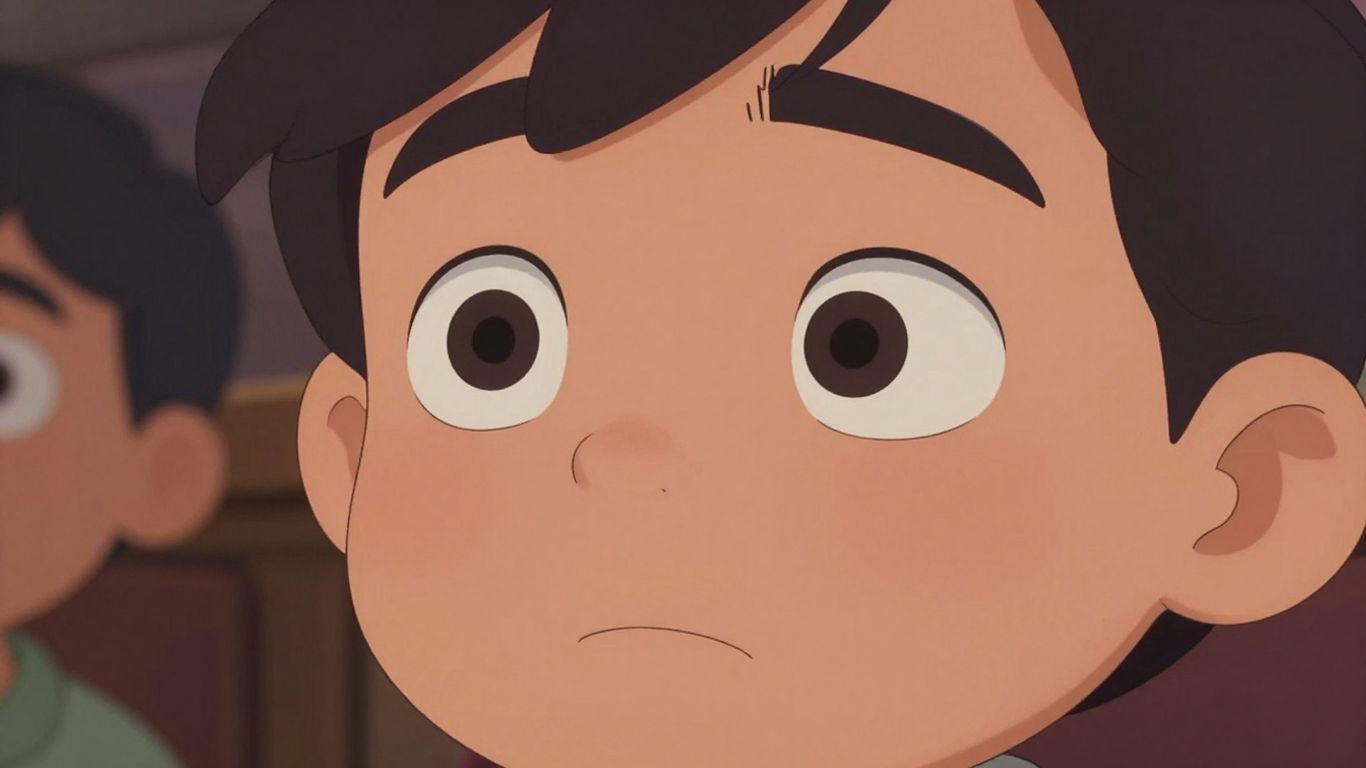
Creating virtual characters that genuinely feel alive involves a deep dive into how we express and perceive emotions. It's not just about making a character smile when they're happy; it's about capturing the subtle shifts, the involuntary twitches, and the overall energy that communicates an internal state. This is where the science of emotional animation comes into play, blending psychology with cutting-edge computer graphics.
Mapping Emotions To Virtual Expressions
At its core, this field tries to translate human emotions into digital signals. Think about it: a real person's joy isn't just a grin. It might involve a slight crinkling around the eyes, a subtle lift in the shoulders, or even a change in breathing patterns. Researchers are working to map these complex human behaviors onto virtual models. This involves understanding how different emotions manifest physically. For instance, happiness often correlates with higher arousal, while sadness might present with lower energy and slumped posture. The goal is to create animations that are not just visually accurate but also emotionally resonant.
Analyzing Emotional Nuances In Dialogue
Speech is a huge carrier of emotion. Beyond the words themselves, the tone, pitch, and rhythm of someone's voice tell us a lot about how they're feeling. Advanced systems analyze audio input to detect these emotional cues. This analysis then informs the animation process, guiding the virtual character's facial expressions and body language. It's a delicate balance; for example, a character might be discussing past achievements, which should evoke happiness, but the way they speak might reveal underlying nervousness. Capturing these mixed signals is a significant challenge.
The Role Of Gestures And Facial Cues
Body language and facial expressions are non-verbal languages we all understand intuitively. In 3D animation, these cues are paramount for conveying emotion. A virtual character's eyebrows might furrow in concentration, their hands might gesticulate wildly when excited, or they might avoid eye contact when feeling shy. Researchers study how these gestures and facial movements correlate with specific emotional states. This helps in building libraries of expressions and movements that can be triggered by the emotional context of a scene. For example, a character expressing passion might use more energetic gestures and a wider smile, while one feeling relaxed would exhibit more subdued movements. The way these elements are put together can really sell the emotional choices in a story.
| Emotion | Key Facial Cues | Common Gestures |
|---|---|---|
| Happiness | Upturned lips, crinkled eyes, raised cheeks | Open arms, energetic movements, head nodding |
| Sadness | Downturned lips, lowered eyebrows, teary eyes | Slumped posture, slow movements, head down |
| Anger | Furrowed brow, clenched jaw, narrowed eyes | Clenched fists, sharp gestures, stomping feet |
| Surprise | Widened eyes, open mouth, raised eyebrows | Gasping, hands to face, recoiling |
The challenge lies in making these animations feel natural, not robotic. It's about capturing the subtle imperfections and variations that make human expression so compelling. When these elements work together, they can significantly impact how a viewer connects with a virtual character and the story being told. This is especially true in immersive environments where the sense of presence is heightened, making the lighting and character performance even more impactful.
User Study: Evaluating The 3D Short Drama
So, we needed to figure out if this whole 3D emotional drama thing actually worked. We set up a study to see what people thought about it, especially how real and natural the characters and their feelings seemed. It wasn't just about watching; it was about experiencing it in VR and telling us what you felt.
Methodology For Perceptual Evaluation
We had participants come in and try out different versions of the short drama. They'd put on a VR headset and interact with a virtual character. After each little bit, they'd take the headset off and fill out a survey. We kept the setting and how far away the character was the same for everyone, so we weren't accidentally messing with their feelings about the space or the distance. The order of the different versions was mixed up for each person to keep things fair. We used a special statistical method called ART ANOVA because the data wasn't exactly normal, which is pretty common in these kinds of studies. It helps us make sense of the results even when things are a bit messy. We also did a bunch of comparisons to see which specific differences stood out.
Key Perceptual Factors Assessed
We asked people to rate a few main things on a scale, usually from 1 to 5. This included:
- Closeness: How connected did you feel to the character?
- Realism: Did the character and their actions seem like they could be real?
- Facial Expression Naturalness: Did the character's face look like it was showing genuine emotion?
- Body Gesture Naturalness: Did the character's movements and gestures feel natural and not stiff?
- Enjoyment: How much did you enjoy the experience overall?
We also asked some open-ended questions to get more detailed feedback about their overall experience in the virtual environment.
The goal was to get a clear picture of how people perceived the animations, looking at both the technical aspects like realism and the more subjective feelings like enjoyment and connection. It's all about understanding the user's perspective.
Comparing Generative Models With Realism
When we looked at how realistic the characters seemed, it turned out that the different animation methods we tested didn't make a huge difference. Most of them got similar scores for perceived realism. However, we did find something interesting: characters showing a happy emotion were rated as more realistic than those showing a neutral expression. This suggests that strong emotions might be easier for current models to portray convincingly. We didn't see any weird interactions between the animation method and the type of emotion shown, which simplified things a bit. It seems like the emotion itself played a bigger role in perceived realism than the specific way it was animated, at least in this study. This is a pretty interesting finding for anyone looking at emotional 3D animation generative models.
| Method | Median Realism (IQR) | Happy Emotion Realism (Median) | Neutral Emotion Realism (Median) |
|---|---|---|---|
| EMAGE | 2 (2) | 3 | 2.5 |
| TalkSHOW | 3 (2) | 3.5 | 2.5 |
| PIXIE+DECA | 3 (2) | 3.5 | 3 |
| AMUSE+FaceFormer | 3 (2) | 3 | 2.5 |
Findings On Emotional Realism And Naturalness

So, what did we actually learn about how real and natural these animated emotions felt? It turns out, it's a bit of a mixed bag, but some clear trends emerged from our user studies.
Impact Of High Arousal Emotions
When characters showed more energetic emotions, like happiness, people generally found the animations to be more realistic. It seems like those big, expressive moments are easier for the systems to nail. Think of it like this: a character jumping for joy is more straightforward to animate convincingly than someone just sitting there, thinking.
The study indicated that animations depicting high-arousal emotions, such as happiness, were perceived as more realistic across various generation methods. This suggests that the dynamic and expressive nature of these emotions lends itself better to current animation technologies.
Challenges With Subtle Emotional States
On the flip side, capturing subtle emotions proved trickier. While happy expressions got good marks, more subdued or neutral states were harder to make look truly natural. This is where the nuances really matter, and sometimes, the systems just didn't quite get it right. It's like trying to paint a whisper – much harder than a shout.
User Ratings For Happiness Versus Neutrality
We saw a pretty clear difference in how users rated happiness compared to neutral expressions. Happiness consistently scored higher on realism. This makes sense, as those outward displays of joy are often more pronounced. However, when it came to the naturalness of facial expressions, things got more interesting. One system, PIXIE+DECA, actually did better with neutral expressions than some others, suggesting it might be better at capturing those finer, less obvious facial movements. It's a good reminder that different methods have different strengths.
Here's a quick look at how some of the methods stacked up:
| Method | Realism (Happy) | Realism (Neutral) | Naturalness (Face - Happy) | Naturalness (Face - Neutral) |
|---|---|---|---|---|
| EMAGE | 3 | 2 | 3 | 2 |
| TalkSHOW | 3 | 3 | 3 | 3 |
| PIXIE+DECA | 3 | 3 | 3 | 3 |
| AMUSE+FaceFormer | 3 | 3 | 2 | 2 |
Note: Ratings are on a scale where higher numbers indicate greater perceived realism/naturalness. These are simplified averages for illustration.
It's fascinating how even within the same emotion, the way it's presented can make such a difference. Understanding how movies evoke specific feelings can really help creators make more impactful stories Understanding emotional journeys. The goal is to get to a point where these characters feel as alive and believable as possible, no matter the emotion they're trying to convey. This research is a step towards that, showing us where the current tech shines and where it still needs work, especially when it comes to portraying a character's internal state without them changing much, which is a whole other topic about constant character arcs.
Animation Diversity And User Enjoyment
When we talk about making virtual characters feel real, how much they move and express themselves in different ways really matters. It’s not just about whether they can show happiness or sadness, but how varied their actions are. Think about it: if everyone in a virtual crowd moved exactly the same, it would look pretty strange, right? This is where animation diversity comes in. It’s about giving characters a unique set of movements and gestures so they don’t all seem like clones.
Assessing Gesture Variation
We looked at how different animation models handled this. Some models were much better at creating distinct animations than others. For instance, one model, AMUSE+FaceFormer, really stood out. Almost everyone who tried it noticed how diverse the animations were – about 95.8% of people. On the other hand, a model called EMAGE didn't do as well, with only about 70.8% of people seeing diversity. Other models fell somewhere in the middle. It’s like comparing a really creative dancer to someone who only knows one move.
Here’s a quick look at how the models stacked up in terms of perceived diversity:
| Model | Perceived Diversity |
|---|---|
| AMUSE+FaceFormer | 95.8% |
| TalkSHOW | 79.2% |
| PIXIE+DECA | 79.2% |
| EMAGE | 70.8% |
The Importance Of Animation Enjoyment
But diversity isn't the only thing. People also need to enjoy watching these animations. Even if a character moves differently, if it looks stiff or unnatural, it can pull you out of the experience. We found that while some models were good at creating diverse movements, they didn't always lead to higher enjoyment. In fact, all the generative models we tested had a bit of a struggle here, getting lower scores for animation enjoyment compared to, say, a real person's movements. This suggests that just having variety isn't enough; the quality and naturalness of those varied movements are key. It’s like having a lot of different ingredients but not knowing how to cook them well.
It seems that current methods, while improving, still have a way to go in making virtual characters not just varied, but genuinely engaging to watch. The goal is to create animations that feel alive and interesting, not just different.
Interaction Quality In Virtual Scenarios
Finally, how does all this affect how we interact with these virtual characters? We noticed that models that produced more diverse and enjoyable animations tended to lead to better interaction quality. When characters move and react in believable, varied ways, it makes the whole virtual experience feel more natural and less like you're just talking to a robot. While some models showed promise, especially in specific areas like generating happy emotions, the overall picture shows that there's still work to be done to make these virtual interactions feel truly lifelike. For those looking for compelling short dramas, platforms like DramaReels are already showcasing what’s possible with engaging storytelling.
This is why continuing to develop better animation techniques is so important, especially for applications like virtual reality where immersion is key. It’s not just about the visuals; it’s about the whole feeling of being there. You can find more on new storytelling approaches on apps like SWAGTOONS.
Future Directions For 3D Short Drama
So, where do we go from here with these emotional 3D shorts? It's exciting to think about, really. We've seen how far we've come, but there's definitely more ground to cover to make these virtual experiences even more lifelike and engaging.
Enhancing Temporal Coherence
One big thing is making sure everything flows smoothly over time. Right now, sometimes the animations can feel a bit jerky, especially when you're just looking at them frame by frame. It’s like watching a flipbook that’s not quite aligned. We need to get better at making sure the movements, like gestures and facial expressions, connect properly from one moment to the next. This means looking into better ways to reconstruct animations so they don't have that jittery effect. Getting this right is key to making the characters feel more present and less like a collection of separate movements. Imagine watching a character’s head nod, then their hand move, but with a weird pause or jump in between – it breaks the illusion, you know?
Expanding The Emotional Spectrum
We started with just a couple of emotions, like happy and neutral, to keep things manageable. But people have a whole range of feelings, right? We need to explore more complex emotions, the really subtle ones, and how they play out. Think about the difference between mild annoyance and outright anger, or the quiet joy of a small success versus the elation of a major triumph. Capturing these nuances is a huge challenge, but it's what makes characters feel real. We're talking about moving beyond simple expressions to a full spectrum of human feeling, mapped onto a continuous scale rather than just distinct categories. This will allow for much richer storytelling.
Advancements In VR Hardware And Rendering
Let's be honest, making all this look good in VR takes a ton of computing power. Streaming and rendering these detailed 3D worlds in real-time is tough on current hardware. As VR headsets get better and more powerful, and as graphics cards keep improving, we'll be able to create even more detailed and responsive virtual characters. This means less lag, sharper visuals, and the ability to handle more complex animations without breaking a sweat. It's a constant race between what we want to create and what the technology can currently support, but the progress is undeniable. New technology is revolutionizing filmmaking, empowering independent teams to expand their creative expression [5392].
The path forward involves not just technical improvements but also a deeper understanding of human emotion and how it's communicated nonverbally. It's about blending the art of storytelling with the science of animation and the capabilities of new technology to create virtual experiences that truly connect with us on an emotional level.
Wrapping It Up
So, what's the takeaway from all this? It seems like making virtual characters feel genuinely happy is a bit easier for these new animation tools than making them seem just… calm. People noticed the happy ones more, and they seemed more real. But when it came to just chilling out, the tech still has some catching up to do. Also, while the computer-generated stuff is getting pretty good, it still can't quite match up to real human movements when it comes to making us feel like we're actually talking to someone. It’s clear that just looking at numbers isn't enough; we really need to see how people feel when they interact with these characters. This whole project is a good step, showing us what works and what needs more work to make virtual friends feel more like, well, friends.
Frequently Asked Questions
What is this new 3D short drama about?
This is a new kind of animated story that you can experience in virtual reality (VR). It focuses on how virtual characters show and react to emotions, making the story feel more real and engaging.
Why is showing emotions in animation important?
Just like in real life, how someone looks and moves tells us a lot about how they feel. For virtual characters, showing emotions helps us connect with them and understand what they're going through, making the virtual world feel more alive.
How did you test if the emotions in the drama felt real?
We had people try out the VR experience and tell us what they thought. They rated how real, natural, and enjoyable the characters' emotions and movements seemed. We compared different ways of making these animations to see which ones worked best.
Did the virtual characters show emotions well?
The characters were better at showing strong emotions, like happiness. They had a harder time showing more subtle or quiet feelings. People generally liked the animations, but there's still room for improvement, especially in making the characters more fun to interact with.
What makes animation 'diverse'?
Animation diversity means that a character can show a range of movements and expressions without seeming like a completely different person. We checked if the characters' movements felt consistent even when they were expressing different emotions or saying different things.
What's next for these kinds of 3D dramas?
We want to make the characters even better at showing a wider range of feelings, from joy to sadness and everything in between. We also hope that as VR technology gets better, these virtual stories will become even more amazing and lifelike.