

Exploring the Evolving Landscape of 3D Drama in Film and Animation
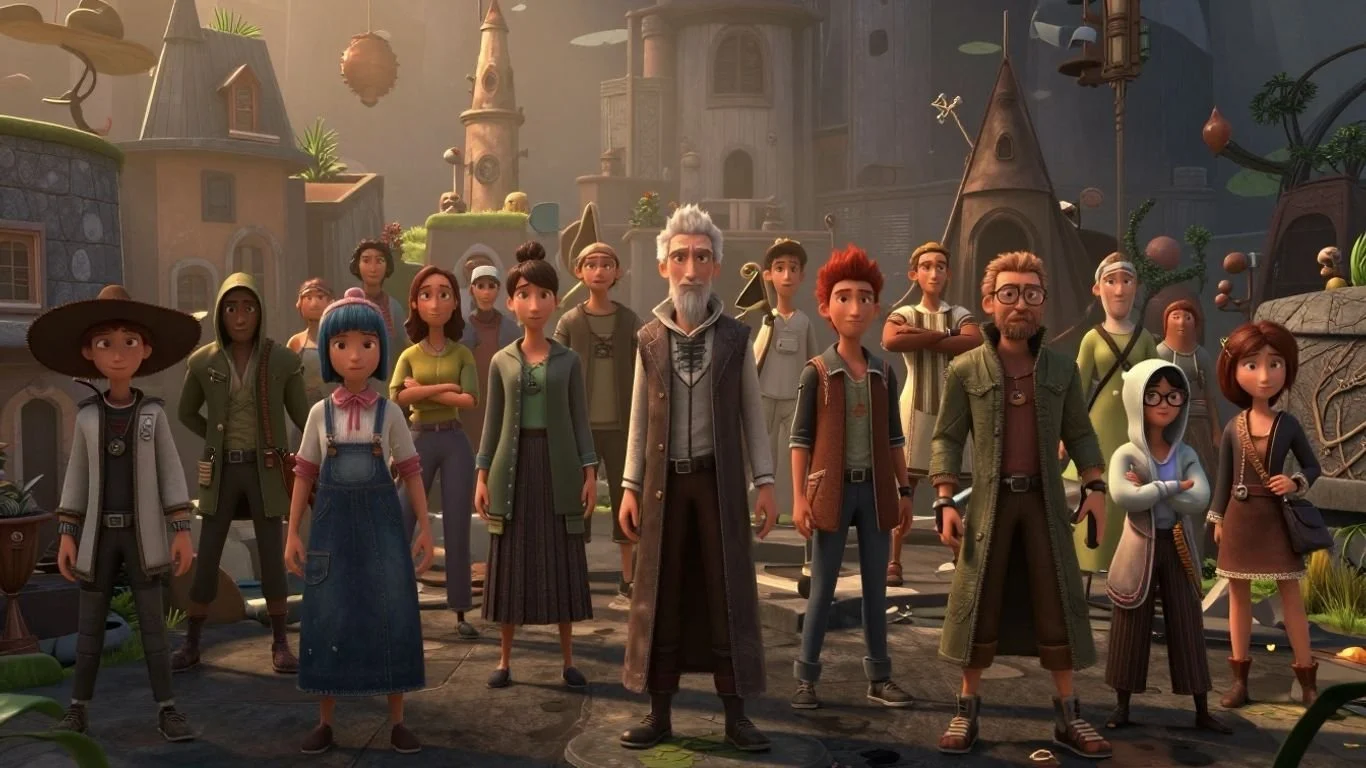
So, I've been thinking a lot about how movies and cartoons look these days. It's pretty wild how far we've come from those old, simple drawings. Now, everything is so detailed and feels almost real. It makes you wonder how they even do it and what's next. This whole world of 3D drama in film and animation is changing so fast, and it's kind of fascinating to watch. It’s not just for kids’ cartoons anymore; it’s telling some pretty serious stories too.
Key Takeaways
- 3D drama in film has moved from basic drawings to complex computer graphics, changing how stories are told visually.
- New tech like AI and virtual reality are making animated experiences more immersive and realistic.
- Writing scripts for animation focuses on humor and imagination, while voice acting and sound design add emotional weight.
- Streaming services and the mix of live-action with animation are big trends shaping how we see 3D drama today.
- Animated stories can explore serious topics, influence culture, and help audiences connect with characters on a deeper level.
The Evolution Of 3D Drama In Film
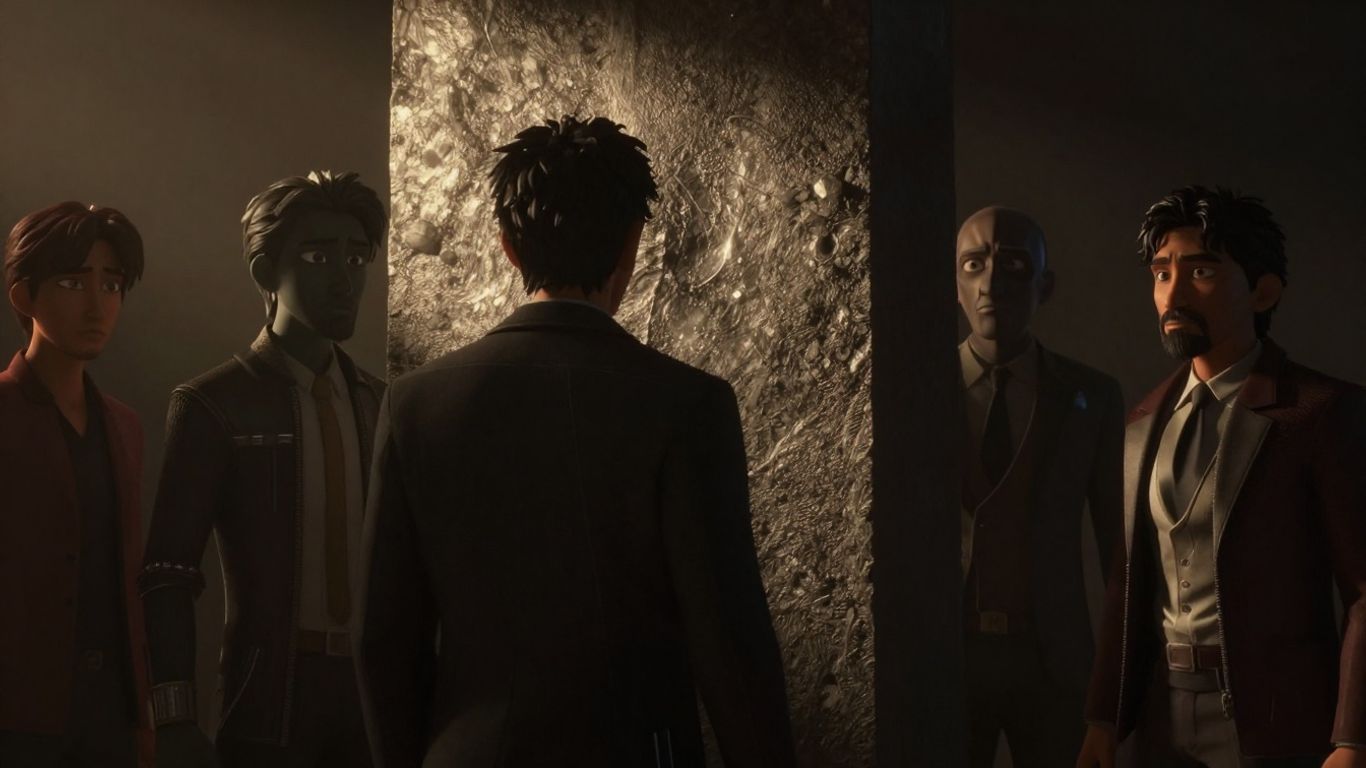
It feels like just yesterday we were amazed by simple cartoons, but wow, animation has really come a long way. The journey from those early, hand-drawn characters to the incredibly detailed 3D worlds we see today is pretty wild. Think about it: the whole process has shifted from artists painstakingly drawing each frame to complex computer programs doing a lot of the heavy lifting. This change didn't happen overnight, of course. It's been a gradual climb, with each decade bringing new tools and ideas.
From Hand-Drawn To Computer-Generated Imagery
Back in the day, animation was all about ink and paint. Artists would draw characters and backgrounds on paper, then transfer them to cels, paint them, and photograph each one. It was a ton of work! Early pioneers like Walt Disney really pushed the boundaries with films that had synchronized sound, which was a huge deal back then. These early efforts laid the groundwork for everything that followed. The introduction of computer-generated imagery, or CGI, in the late 20th century, however, was a genuine game-changer. Suddenly, filmmakers could create three-dimensional characters and environments that looked incredibly realistic. This opened up a whole new universe of storytelling possibilities, moving animation beyond just kids' stuff and into more complex narratives. You can see this shift clearly when looking at the history of computer animation.
The Golden Age Of Animation And Its Legacy
We often talk about the "Golden Age" of animation, usually referring to the 1930s through the 1960s. This was when iconic characters like Mickey Mouse, Bugs Bunny, and Donald Duck became household names. Studios perfected techniques for character animation, timing, and storytelling. The legacy of this era isn't just about nostalgia; it's about the fundamental principles of bringing characters to life and crafting engaging stories that still influence animators today. Even with all the new tech, the core ideas about character performance and narrative structure from this period remain important.
CGI's Transformative Impact On Storytelling
Computer-Generated Imagery, or CGI, really took off in the 1990s. Films like Toy Story showed everyone what was possible. It wasn't just about making things look pretty; CGI allowed for camera movements and visual complexity that were impossible with traditional methods. This meant stories could be told in ways never before imagined. We started seeing more dynamic action sequences, more detailed worlds, and characters with a greater range of expression. The ability to create anything the imagination could conjure meant that the limits of storytelling were pushed further than ever before. This technological leap has been a major part of the animation industry's evolution.
The shift to CGI wasn't just a technical upgrade; it fundamentally changed how stories could be visualized and experienced. It allowed for a level of detail and movement that brought animated worlds to life with unprecedented realism and depth, making audiences feel more connected to the characters and their journeys.
Technological Advancements Driving 3D Drama
It’s pretty wild how much technology has changed the game for 3D drama, right? We’re not just talking about fancier graphics anymore; these tools are actually letting filmmakers tell stories in ways that just weren't possible before. It’s like getting a whole new set of crayons, but for making movies.
Artificial Intelligence In Animation Production
AI is starting to pop up everywhere, and animation is no exception. Think about it: AI can help speed up some of the really tedious parts of making animation, like rendering or even generating basic character movements. This means animators can spend less time wrestling with software and more time actually creating cool stuff. It’s about making the process more efficient so the creative vision can shine through. For example, AI can analyze vast datasets of human motion to create more realistic character animations, making them feel more alive and less like digital puppets. It’s also being used to help with things like color grading and even suggesting script improvements, acting like a super-powered assistant.
Cinematography Techniques For Immersive Experiences
Remember when 3D movies first came out and it felt like stuff was flying at your face? Well, cinematography in 3D drama has gotten way more sophisticated than just that. Filmmakers are using advanced camera techniques and virtual production methods to create truly immersive worlds. Virtual production, for instance, uses real-time rendering technology to display digital sets on LED screens behind the actors. This allows directors and cinematographers to see the final shot as they’re filming, making adjustments on the fly and creating a much more dynamic visual experience. It’s a big step forward for 3D animation in film.
Virtual And Augmented Reality Integration
And then there’s VR and AR. While still developing, the integration of these technologies into 3D drama is super exciting. Imagine not just watching a story, but actually stepping into it. VR can put you right in the middle of an animated world, letting you look around and experience the narrative from a new perspective. AR, on the other hand, can overlay digital elements onto our real world, creating interactive stories that blend the two. This opens up possibilities for entirely new forms of storytelling that go beyond the traditional screen. It’s a whole new way to think about how we experience animated content.
The rapid advancement of technology is not just about making things look prettier; it's fundamentally changing how stories are conceived, created, and experienced by audiences. These tools are becoming integral to the artistic process, allowing for greater detail, more emotional expression, and deeper audience engagement.
Crafting Compelling Narratives In 3D Drama
The Art Of Scriptwriting For Animated Films
Writing a story for 3D animation isn't just about drawing cool characters. It's about building a world and making people care about what happens in it. The script is the blueprint for all of that. You've got to think about how the story will look on screen, not just how it sounds. This means visual gags and clever actions often do a lot of the heavy lifting. A good script for animation balances humor, heart, and imagination. It needs to work for the intended audience, whether that's kids or adults, and keep them hooked from start to finish. It's a delicate dance between what's written and what the animators and directors can bring to life visually. The goal is to create something memorable, something that sticks with you long after the credits roll. It's about making the audience feel something, whether it's laughter, sadness, or excitement. The script is where all that begins, laying the groundwork for the entire production. It's fascinating how different approaches to storytelling can shape the final product, much like exploring the evolution of animation techniques [a535].
Voice Acting And Sound Design For Emotional Depth
Even with amazing visuals, a 3D drama needs voices and sounds to truly connect. The right voice actor can make a character feel real, adding layers of personality and emotion that the animation alone might not convey. Think about how a specific tone of voice can instantly tell you if a character is scared, happy, or angry. It’s not just about reading lines; it’s about performance. And then there’s the sound. Sound effects, from the smallest rustle of leaves to the biggest explosion, add texture and realism. Music is also a huge part of it, setting the mood and amplifying emotional moments. A well-placed musical cue can make a sad scene even more poignant or a tense scene feel more dramatic. It’s all about creating an immersive audio experience that complements the visuals and pulls the audience deeper into the story. The way filmmakers use various techniques, like camera work and lighting, also plays a big role in how we perceive the story and characters [cead].
Visual Gags And Imaginative Concepts
One of the great things about 3D animation is the freedom it gives storytellers to be wildly imaginative. You can create scenarios and visual jokes that just wouldn't be possible in live-action. Think about characters with impossible physics, surreal environments, or just plain silly situations. These visual gags can be incredibly effective at getting a laugh or making a point without needing a lot of dialogue. It’s about showing, not just telling. This imaginative freedom extends to the overall concepts too. Animated films can tackle big ideas or explore fantastical worlds in ways that feel fresh and exciting. It allows for a kind of creative expression that’s hard to match elsewhere. The script needs to be written with these possibilities in mind, setting up moments that animators can really play with. It’s this blend of clever writing and visual creativity that makes 3D drama so engaging.
The script is the foundation, but the magic happens when the words on the page are brought to life through performance and visual artistry. It's a collaborative effort where every element works together to tell a story that moves people.
Current Trends Shaping 3D Drama
It feels like animated movies and shows are everywhere these days, right? And a lot of that has to do with how they're getting to us and what they're mixing together. Streaming platforms have really changed the game. Instead of just waiting for a movie to hit theaters, we can now binge-watch entire series or catch the latest animated feature from our couches. This means studios are making all sorts of animated stuff, not just what they think will do well at the box office. It's pretty cool because we get to see more unique stories and styles.
The Rise Of Streaming Platforms
Think about it: Netflix, Disney+, Max – they're all pouring money into animation. This isn't just about making more cartoons; it's about creating complex, dramatic stories that might not have fit the old movie model. We're seeing animated shows tackle mature themes and complex characters, all thanks to the binge-watching culture that streaming has created. It's a big shift from how things used to be, and it's definitely making animation more interesting for everyone. You can find some really great animated films from 2025 that show this trend.
Hybrid Formats: Blending Live-Action And Animation
Another big thing is how live-action and animation are starting to blend. It’s not just about putting a cartoon character into a real-world scene anymore. Filmmakers are getting really creative with how they mix these two worlds. This can make stories feel more real, or sometimes, more fantastical. It opens up a lot of new ways to tell a story that just weren't possible before. Imagine a character literally stepping out of an animated world into ours, or vice versa. It’s pretty wild.
Sophistication In Visual Effects
And the visuals? They're just getting better and better. The computer-generated imagery (CGI) we see now is miles ahead of what we had even a few years ago. Characters look more lifelike, environments are incredibly detailed, and the action sequences are just stunning. This level of detail helps make the drama feel more impactful. When you can see the sweat on a character's brow or the dust kicked up by a fleeing creature, it pulls you into the story more. This push for realism, even in fantastical settings, is a huge part of what makes modern 3D drama so engaging. It's all about making the unbelievable feel believable. The technology behind this is constantly evolving, allowing for more personalized user experiences in games and other media.
The way we consume and experience animated stories is changing rapidly. Streaming services have opened doors for diverse narratives, while the blending of live-action and animation, coupled with increasingly sophisticated visual effects, creates richer, more immersive dramatic experiences for audiences.
The Impact Of 3D Drama On Audiences
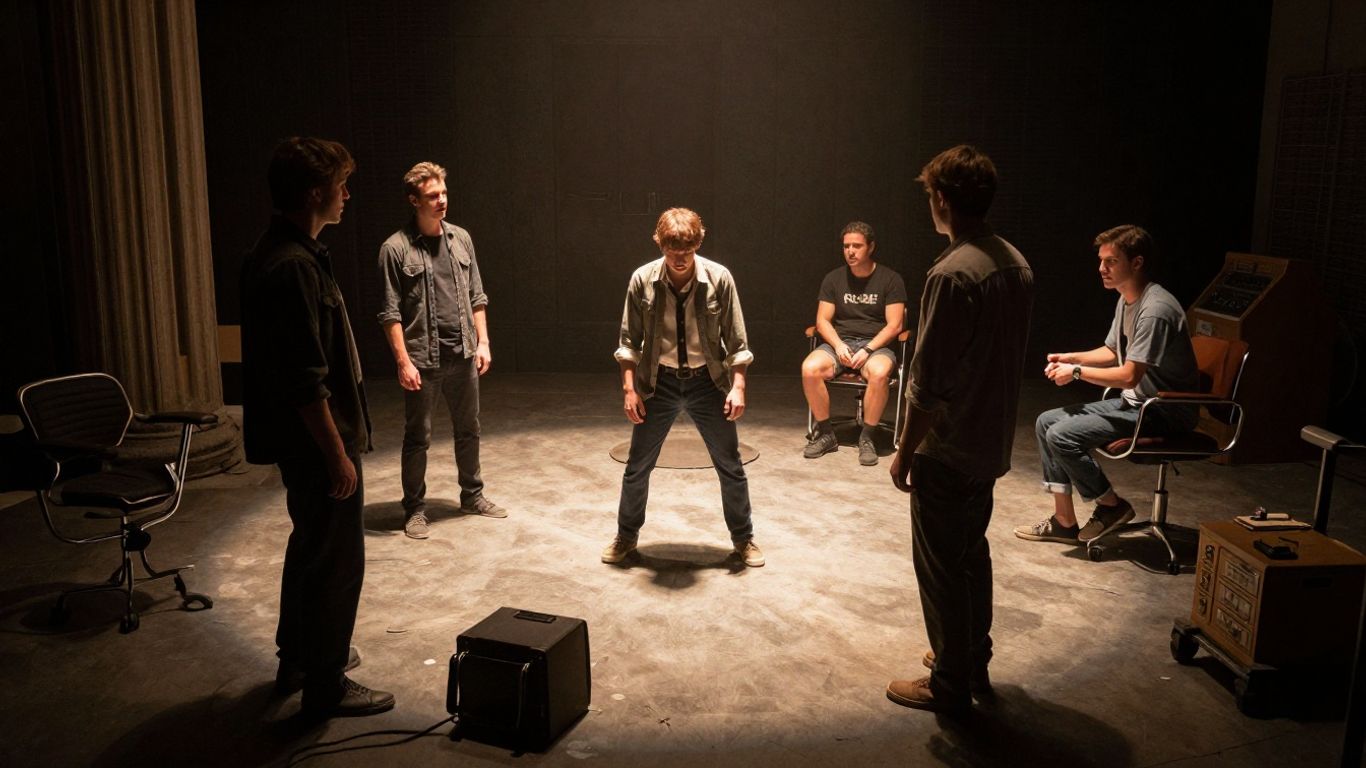
It's pretty wild how much animated movies and shows have shaped what we think and feel, right? They're not just for kids anymore, though they definitely play a big part in childhood memories. Think about it – those characters and stories stick with you. 3D drama, with its visual flair, has a unique way of connecting with us on an emotional level.
Social Commentary And Cultural Reflection
Animated films have become a really interesting way to talk about big stuff. They can tackle tricky subjects like environmental issues or the importance of including everyone, and do it in a way that lots of people, young and old, can get. It's like a mirror to society, sometimes showing us things we need to think about more. It’s amazing how a story about talking animals can make you ponder real-world problems. This ability to present complex ideas visually makes them quite effective for cultural reflection.
Shaping Popular Culture And Childhood Memories
Let's be honest, animated characters are everywhere. They're on t-shirts, in toys, and in our everyday conversations. These characters become part of our shared culture. For many of us, our earliest memories of movies involve animated ones. The music, the jokes, the lessons learned – it all builds up into a pretty significant part of growing up. It’s a big reason why so many of us have a soft spot for these films, even as adults.
Inspiring Empathy Through Storytelling
One of the coolest things about 3D drama is how it can make us feel for characters who are totally different from us. When you see a character go through something tough, even if they're a cartoon, you can really feel for them. This helps us understand different perspectives and be more understanding of others in real life. It’s a powerful tool for building bridges and making us all a little more connected.
The visual richness and character depth possible in 3D animation allow for narratives that can explore nuanced emotions and situations, making it easier for audiences to connect with and understand diverse experiences.
Here's a quick look at how different aspects contribute:
- Visual Storytelling: The way characters look and move tells a lot of the story without words.
- Character Arcs: Watching characters grow and change helps us relate to their struggles and triumphs.
- Emotional Soundtracks: Music and sound effects play a huge role in setting the mood and making us feel what the characters feel.
- Immersive Worlds: Detailed environments pull us into the story, making the emotional stakes feel higher, much like in virtual reality films.
The Future Of 3D Drama
Looking ahead, the world of 3D drama is set for some pretty wild changes. We're talking about stories that feel like they're made just for you, and worlds that blend so well with our own, you might not even notice the difference. It's a really exciting time for filmmakers and audiences alike.
Personalized Narratives Through AI
Artificial intelligence is going to play a huge role in how stories are told. Imagine a movie that changes its plot or character interactions based on your reactions or preferences. AI could analyze viewer data to tailor narratives, making each experience unique. This isn't just about choosing different endings; it's about dynamically adjusting the story's flow, dialogue, and even character arcs in real-time. This level of personalization could redefine what it means to engage with a film. It’s a big step from the one-size-fits-all approach we're used to, and it opens up a whole new avenue for emerging trends in animation technology.
Seamless Integration Of Live-Action
We're already seeing more films mix real actors with animated characters and environments. The future will likely push this much further. Think about scenes where the line between what's real and what's computer-generated becomes almost invisible. This could mean animated characters interacting with live-action sets in incredibly believable ways, or entire fantastical worlds built around a few real actors. It’s about creating a more cohesive and believable visual experience, making the fantastical feel grounded.
Enhanced Interactivity And Realistic Visuals
Get ready for more interactive storytelling. Beyond just choosing paths, future 3D dramas might allow audiences to influence events in more subtle ways, perhaps through gestures or even thought. Coupled with this is the ongoing push for hyper-realism. Animation is getting so good that distinguishing it from reality will become increasingly difficult. This means more detailed textures, more natural lighting, and character performances that are indistinguishable from their live-action counterparts. The goal is to create worlds so convincing, you feel like you could step right into them. This push for realism is one of the essential trends influencing American animation.
The drive towards more interactive and visually stunning 3D dramas is fueled by both technological leaps and a desire for deeper audience connection. It's not just about looking good; it's about feeling something more profound.
Here's a quick look at what's coming:
- AI-driven plot adjustments: Stories that adapt to individual viewers.
- Advanced motion capture: Making animated movements indistinguishable from real ones.
- Real-time rendering: Allowing for immediate visual feedback during production and potentially in the final product.
- Immersive soundscapes: Audio that complements interactive visuals and personalized narratives.
The Road Ahead
So, where does all this leave us? It's pretty clear that 3D animation isn't just a trend; it's become a core part of how we tell stories on screen, whether it's a big blockbuster movie or a smaller animated short. We've seen it go from simple drawings to incredibly detailed worlds that pull you right in. Technology keeps changing things, making it easier and faster to create these visuals, and that means we're going to see even more amazing stuff. It's exciting to think about what's next, with new ways to experience these stories possibly just around the corner. One thing's for sure: animation is here to stay, and it's only getting better.
Frequently Asked Questions
How did animation change from old times to now?
Animation started with simple drawings that were moved frame by frame, like old cartoons. Now, computers create amazing 3D worlds and characters that look super real. This change, called CGI, makes movies much more exciting and lets storytellers create things they never could before.
What's the big deal about 3D animation in movies?
3D animation lets filmmakers create worlds that feel like you can step right into them. It adds a lot of depth and detail, making characters and places look incredibly lifelike. This makes stories more believable and helps audiences connect with the characters' feelings.
How do voice actors and sound make animated movies better?
Even though animation is about what you see, what you hear is just as important! Great voice actors make characters feel like real people with real emotions. Sound effects and music add excitement and help tell the story, making sad parts sadder and exciting parts more thrilling.
Are streaming services changing how we watch animated movies?
Yes! Streaming sites like Netflix and Disney+ are showing lots of new animated shows and movies. This means more kinds of stories can be told, and people can watch them easily at home. It's changing how movies are shared and watched.
Will computers and AI change animation even more?
Definitely. Tools using artificial intelligence (AI) are helping animators work faster and create even more detailed visuals. AI might even help create stories that change based on what each person likes to watch.
Can animated movies talk about serious stuff?
Absolutely. Animated movies can be great for talking about important topics, like fairness or taking care of the planet. They can show big ideas in a way that everyone can understand and feel, helping people connect with each other and think about the world differently.